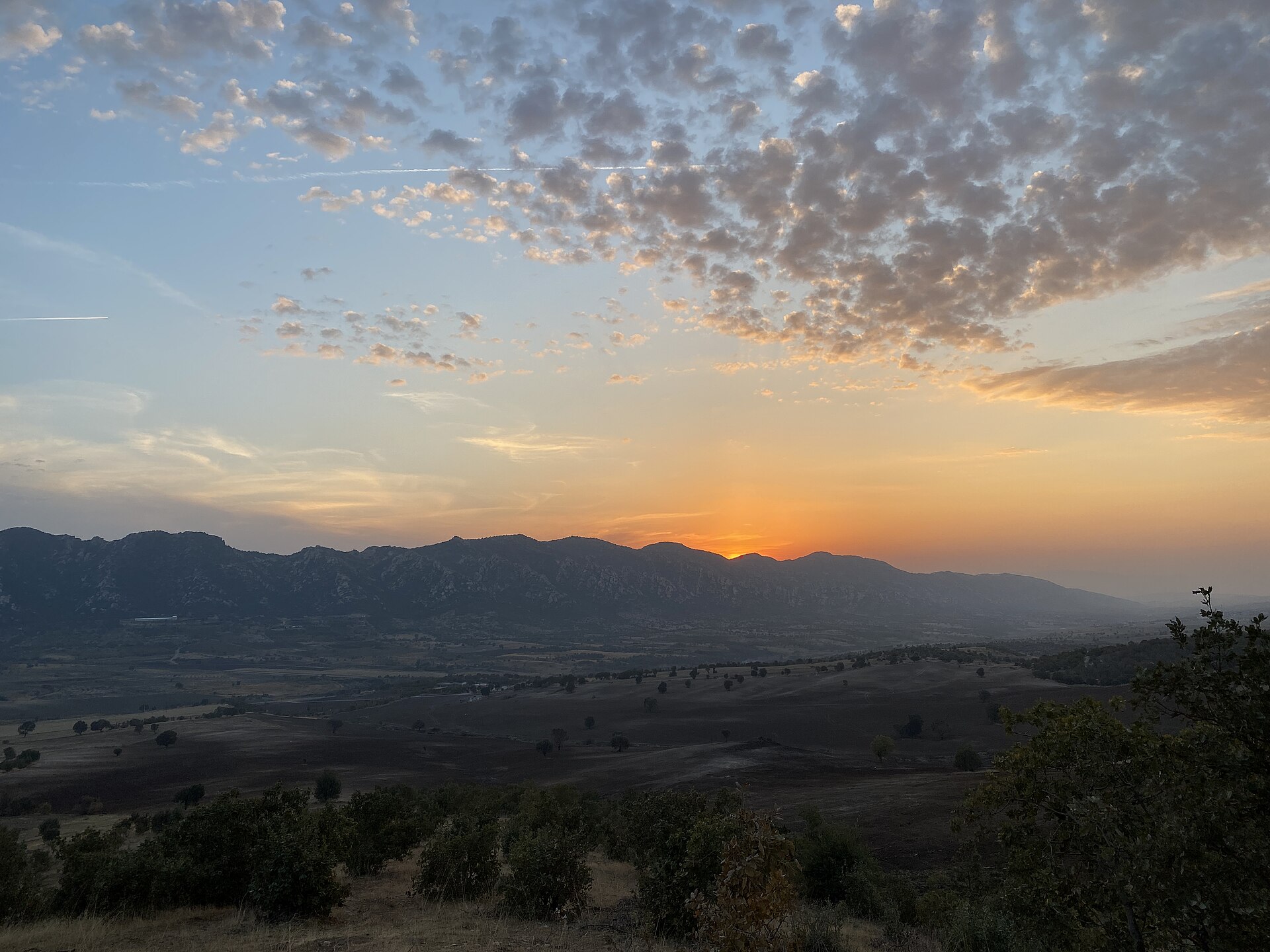
The Kurds are often called the largest nation in the world without a country of their own. Somewhere between 30 and 45 million people share a language, a history and a homeland in the mountains where Turkey, Iran, Iraq and Syria meet. Yet in each of those four countries, they are a minority.
Here is a question worth thinking through, even if no government has proposed it: what if the Kurdish regions of Iraq, Iran and Syria joined Turkey? Not as a conquest, and not as a forced change of borders, but as a thought experiment about power, peace and opportunity.
A people divided by a treaty
After the First World War, the 1920 Treaty of Sèvres offered Kurdish areas of the old Ottoman Empire a pathway to independence. It never took effect. Three years later, the Treaty of Lausanne set the borders of modern Turkey and made no provision for Kurdish self-rule. Kurdish lands were split between Turkey, French-ruled Syria, British-ruled Iraq and Persia.
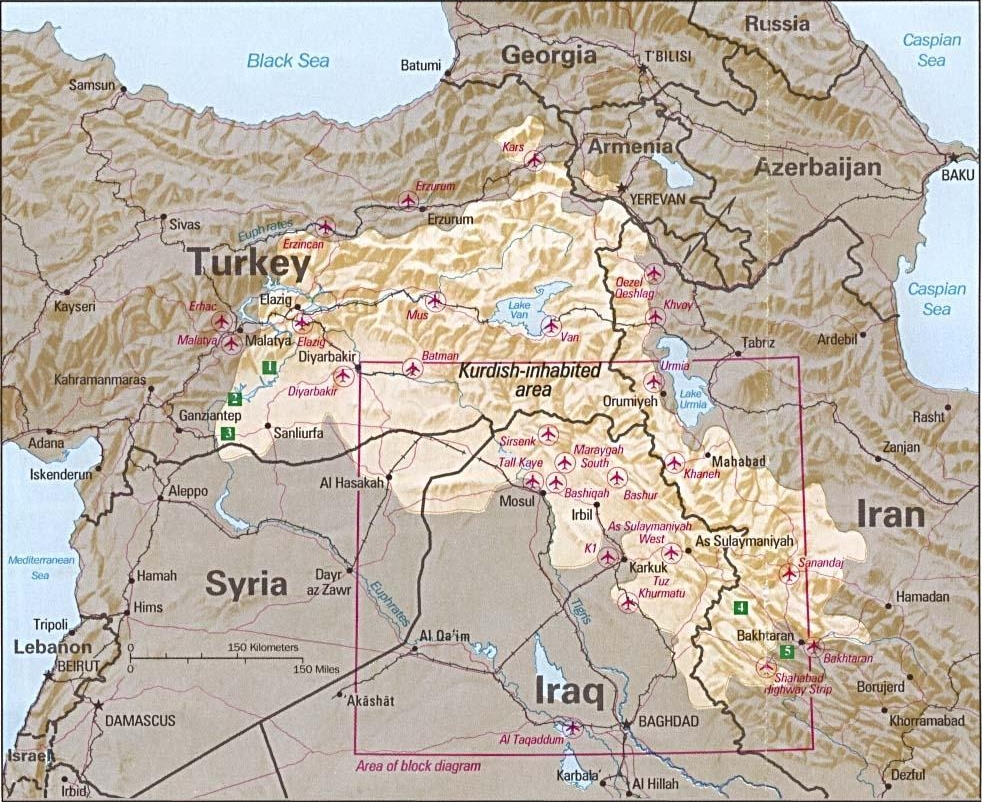

For a hundred years since, Kurds have lived as minorities in four separate states, each with its own politics, and often in conflict with the governments around them.
Doing the math
Nobody knows exactly how many Kurds there are, because none of these countries counts ethnicity in its census. The commonly cited estimates look like this:
| Country | Estimated Kurdish population |
|---|---|
| Turkey | 14.3 – 20 million |
| Iran | 8.2 – 12 million |
| Iraq | 5.6 – 8.5 million |
| Syria | 1.5 – 3.6 million |
| Total in the four countries | 29.6 – 44.1 million |
Turkey’s official population was about 86.3 million in mid-2026. If the Kurds of Iran, Iraq and Syria were added to it, the combined country would have somewhere between 100 and 110 million people, and Kurds would make up roughly 29 to 40 per cent of them. In other words, about one in every three citizens.
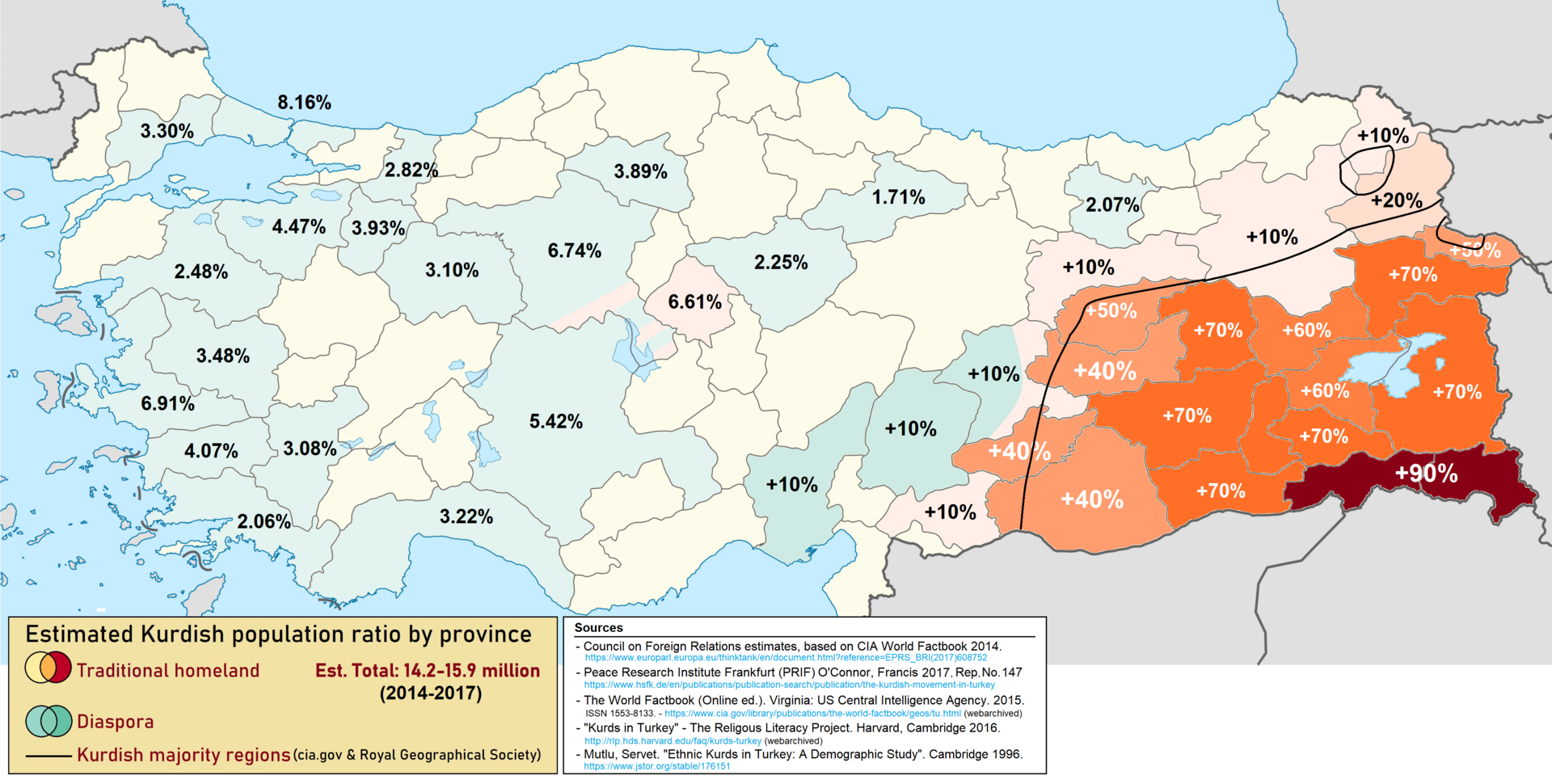

A group that large could not be ignored in any parliament, any election or any cabinet. That is the heart of this idea: in a union, Kurds would stop being a scattered minority and become a third of a major country.
What Turkey could gain
Turkey already sits at the centre of the Kurdish economy. Oil from northern Iraq flows through the Kirkuk–Ceyhan pipeline, which runs about 970 kilometres to Turkey’s Mediterranean coast. Earlier this year, with the Strait of Hormuz disrupted by war, Iraq turned to that same pipeline through the Kurdistan Region to keep its oil moving.
In a union, those resources would no longer be a cross-border negotiation. Turkey would gain energy, farmland, water sources in the mountains, and a younger, growing population at a time when its own birth rate is falling.
What Kurds could gain
For Kurds, the gains would be just as real: one economy instead of four, free movement between families now separated by borders, and the political weight that comes with being a third of the voters. Kurdish language, culture and business would have a far larger market and a far stronger voice.
Turkey has also taken real steps toward peace. In August 2026, its parliament passed a law to carry out the disbanding and disarmament of the PKK, ending a conflict that has killed more than 40,000 people. If that peace holds, it opens the door to a very different relationship between Turks and Kurds.
The hard questions
Honesty matters here, because the obstacles are serious.
First, Iran, Iraq and Syria would almost certainly refuse to give up territory, and changing borders without a country’s consent would break international law. Second, many Kurds do not want to join Turkey at all. In September 2017, about 93 per cent of voters in Iraqi Kurdistan backed independence in a referendum that Baghdad rejected as illegal and that Turkey and Iran strongly opposed. Third, decades of conflict have left deep mistrust on both sides, and the peace process has stalled more than once. And Kurds themselves are not one bloc: they have different parties, dialects and loyalties.
Some in Turkey would also worry that a country one-third Kurdish would change its national identity. That fear is real, and any honest debate has to face it.
Why the question still matters
This union may never happen. But asking the question shows something important: Kurds are not a small problem to be managed. They are tens of millions of people whose future will shape the whole region.
Whatever the borders, the lesson is the same. Lasting peace comes from equal rights, fair representation and shared prosperity. The countries that offer Kurds a real stake in their future will be the ones that gain the most.
Sources: Wikipedia: Kurds (population estimates); TurkStat population via Property Turkey; LSE Middle East Centre on the Treaty of Lausanne; Rudaw on oil exports via Turkey; Jerusalem Post on Turkey’s August 2026 peace law; Euronews on the 2017 referendum. This article is the opinion of the author.
Photo: Srood Kovli, Wikimedia Commons, CC BY 4.0.

Leave a Reply