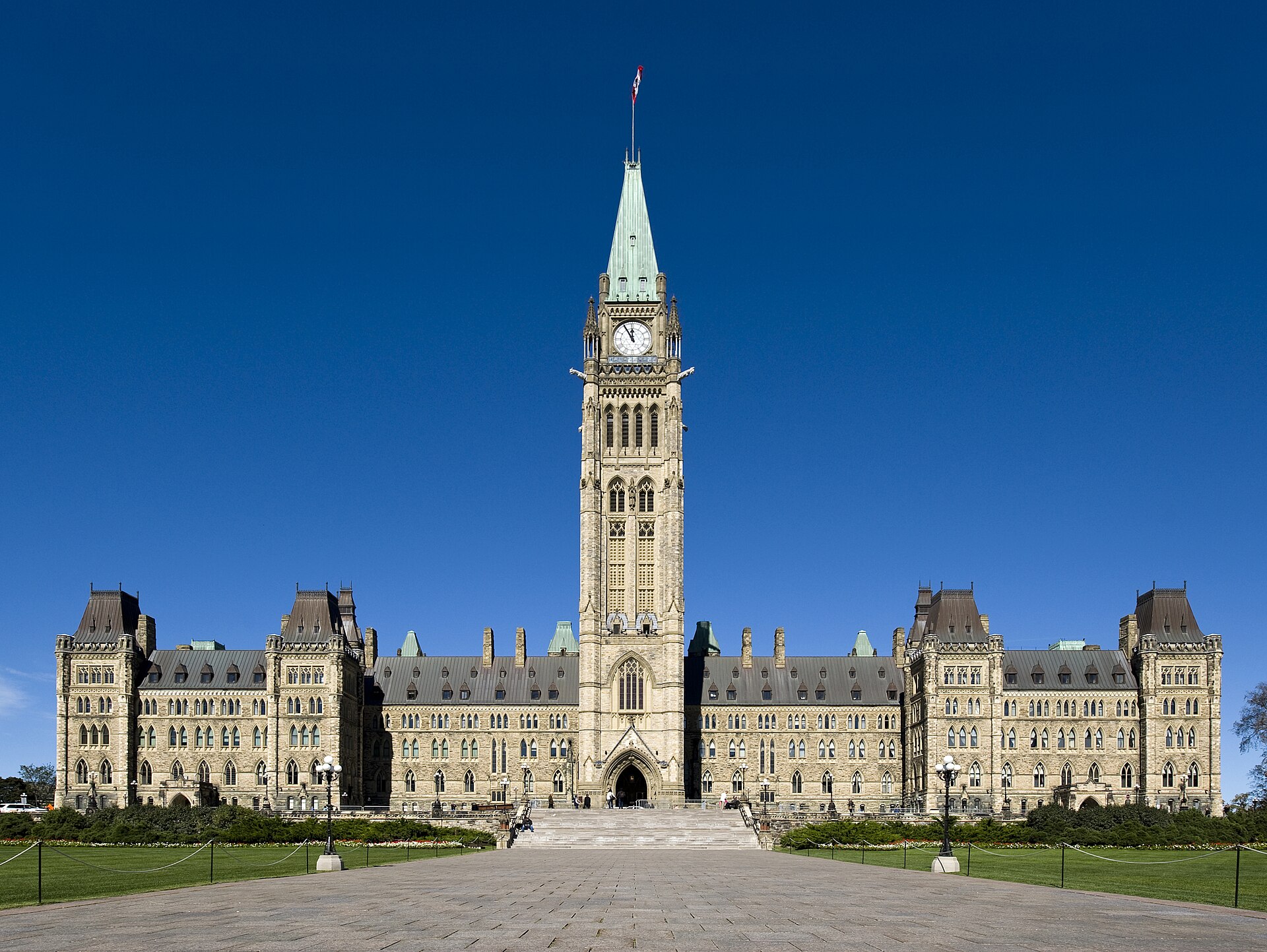
Two numbers are being thrown across the floor of the House of Commons this week: 380,000 and 662,000. Both describe the same immigration plan for 2027. Which one you hear depends on who is talking. For families in Calgary waiting on a spouse’s papers, or worried about rent and a family doctor, the gap between those two numbers is not just politics. It is personal.
What is actually in the plan
Ottawa’s new immigration levels plan sets a regular target of 380,000 new permanent residents in 2027, and the same again in 2028 and 2029. It also aims for 370,000 new temporary residents in 2027: 220,000 workers and 150,000 international students.
On top of that sits a one-time measure. Up to 200,000 extra permanent resident spaces are set aside in 2027 for people who are already living in Canada. Half are for workers chosen with provincial input. The other half are for humanitarian cases, including spouses and children waiting on decisions and Ukrainians and former Hong Kong residents already here. Roughly 82,000 more spaces are carried over from earlier one-time programs.
Add it all up at the maximum and you reach about 662,000. That is where the bigger number comes from. Economists at RBC and several fact-checkers describe it as a ceiling, not a forecast of new people landing at the airport.
The fight in Parliament
The Conservatives used an opposition day to put forward a motion, in Pierre Poilievre’s name, asking the House to reject the plan. It says housing, wages, health care and jobs need to keep pace with population growth. Immigration critic Michelle Rempel Garner has argued the country needs a pause. The motion is non-binding, so even if it passes it would not cancel the plan by itself. A vote was expected later this week.
Immigration Minister Lena Metlege Diab answers that most of these new permanent residents are already here. They live in our communities, work and pay taxes. Changing their status, she argues, does not add a new person to the housing queue.
What ordinary families should ask
Both sides have a point, and both are selling something. The government is right that a nurse who has worked in Calgary for three years does not need a new apartment the day she becomes a permanent resident. But it is also true that permanent status lets people sponsor family, settle for good and plan for the long term. Ottawa should say clearly what that means for future demand, not wave it away.
The opposition is right that housing and clinics have not kept up. Canada’s housing agency says the country needs far more homes built each year to bring prices back within reach. But leading with the biggest possible number, without saying most of those people are already our neighbours, coworkers and caregivers, makes newcomers sound like a burden. Many of them are the very people building the homes and staffing the care homes.
Here is what accountability would look like. Any immigration plan should come with a public, year-by-year housing and health-care plan beside it: how many homes, how many family doctors, how many school spaces, and in which provinces. Then we would be arguing about results, not slogans.
The other side, fairly put
The strongest case for the Conservative motion is simple: “already here” is not the same as “no impact.” People who were expected to leave when a permit ended will now stay, and they still use housing, transit, schools and hospitals. When rents are high and jobs feel uncertain, a pause can look like common sense rather than hostility. That concern deserves a real answer, not an accusation.
For families in our community, many of whom came through these same programs, the ask is fair and simple. Be honest with the numbers, keep promises to people already here, and build the homes and clinics everyone needs. A country can welcome people and still plan properly. In fact, it has to.
Sources: The Hub, The Canadian Press via paNOW, CTC News, Moving2Canada. This article is the opinion of the author.

Leave a Reply