Imagine you paid extra for something because of a new tax. Months later, a court rules the tax was illegal and orders the money returned. The cheque arrives, but it goes to the store, not to you. That, in plain terms, is what is happening with America’s tariff refunds right now.
How we got here
On February 20, 2026, the US Supreme Court ruled 6-3 that President Trump could not use a 1977 emergency powers law to impose his sweeping tariffs on almost every trading partner. Tariffs brought in under other laws, such as those on steel, aluminum and autos, were not touched.
In March, the Court of International Trade ordered US Customs to pay back about $166 billion to the importers who had paid those duties. By August, court filings showed more than $100 billion had already gone out. Apple alone received about $2.19 billion, and Amazon reported getting $600 million back.
Not one dollar of that went directly to the families who paid higher prices at the checkout.
On November 11, eight Democratic senators, led by Elizabeth Warren, wrote to the Federal Trade Commission asking it to investigate. Their question is simple: if a company raised prices and blamed tariffs, then quietly kept the refund, did it treat its customers unfairly under federal law?
Who actually paid
Tariffs are paid at the border by importers, and a good share of that cost ends up on store shelves. The non-partisan Tax Foundation estimates tariffs cost American households about $1,000 on average in 2025, roughly $700 of it from the tariffs the court later struck down. It expects newer tariffs, brought in under different laws, to cost households about $820 this year.
So families carried a real part of the bill. For a household already juggling rent, groceries and heating, $700 is not small change. It is a car repair, a month of daycare, or the Christmas budget.
Some companies have done the right thing. FedEx and UPS have opened online portals to reimburse customers. Walmart and Costco have promised to use their refunds to bring prices down. That deserves credit. But promises to lower prices someday are hard to check, and most businesses have said nothing at all.
There is also a fairness problem between businesses. An analysis by the Cato Institute in July found that approved refunds covered close to 60% of the money owed but only about 30% of import entries, a sign that big firms were being paid first while smaller importers waited.
The other side of the argument
There is a serious case on the other side, and it deserves a fair hearing. The importer, not the shopper, wrote the cheque to the government, so legally the refund is theirs. Cato describes the duties as money taken from importers through no fault of their own. Many firms say they swallowed much of the cost rather than pass it on; Apple says it largely absorbed the tariffs. Business groups also point out that prices move for many reasons, from wages to shipping, so working out how much of any price was the tariff is very hard. Forcing refunds down to every customer could become an expensive mess.
Those are fair points. But they argue for honesty, not silence. A company that put up a sign saying “tariff surcharge” knows exactly what it charged. If it got that money back, the customer should get it back too.
Why this matters to Canadians
Canadians are watching their own tariff fight. The US still charges 50% tariffs on a range of Canadian goods, and Prime Minister Carney’s surprise meeting with President Trump at the APEC summit on November 18 ended with no deal. Canada has its own counter-tariffs on US goods.
Whenever tariffs finally ease, on either side of the border, the same question will come up: who gets the money back? The lesson from the US is to decide that early, and to write it down, before the refunds start flowing. Governments that collect a tax from families through higher prices owe those families a clear answer when that tax is undone.
Accountability should not stop at the loading dock.
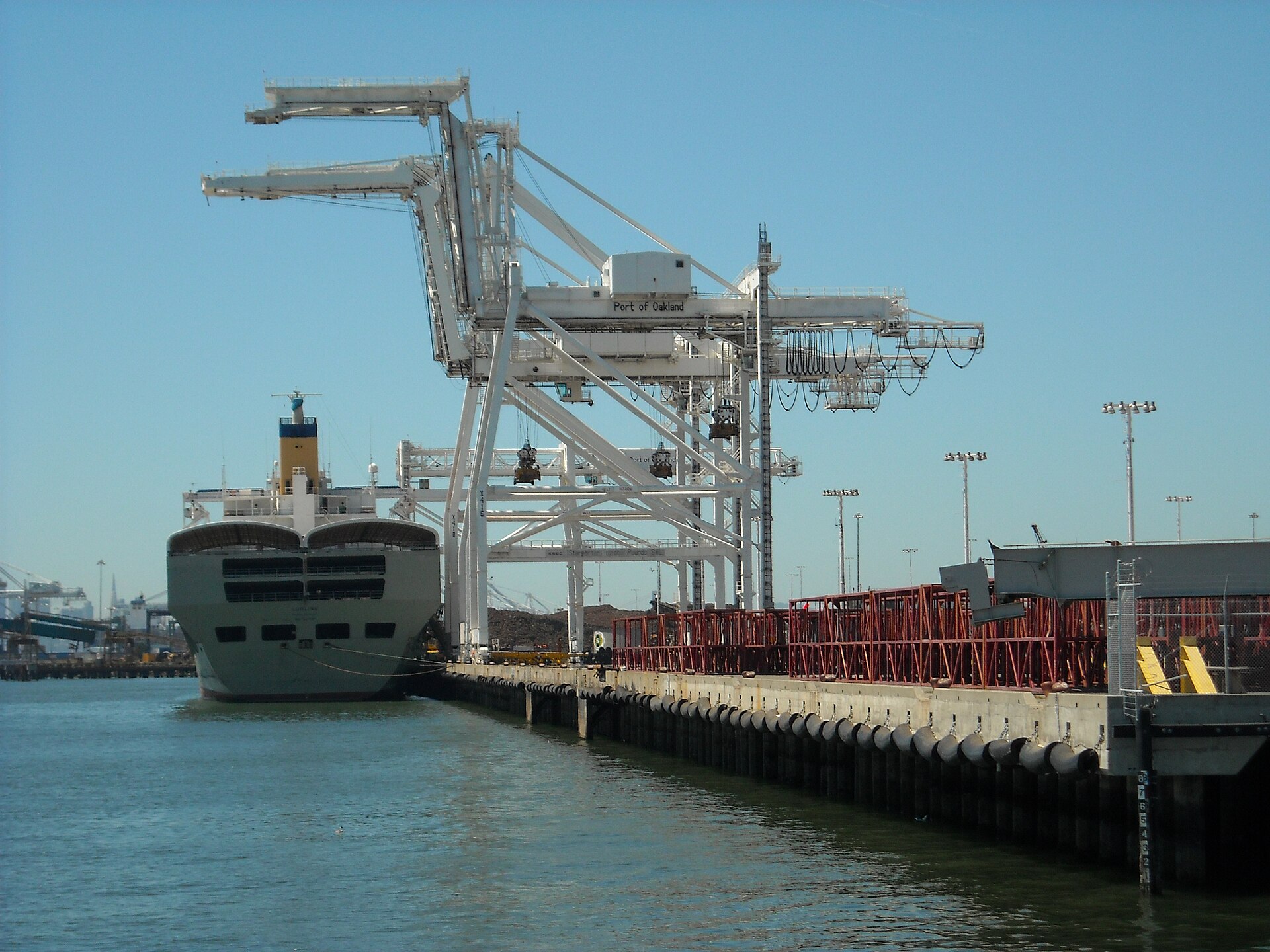
Photo: Daniel Ramirez from Honolulu, USA, Wikimedia Commons, CC BY 2.0

Sources: PBS NewsHour; Arizona Republic via Yahoo News; Sen. Baldwin press release; Cato Institute. This article is the opinion of the author.