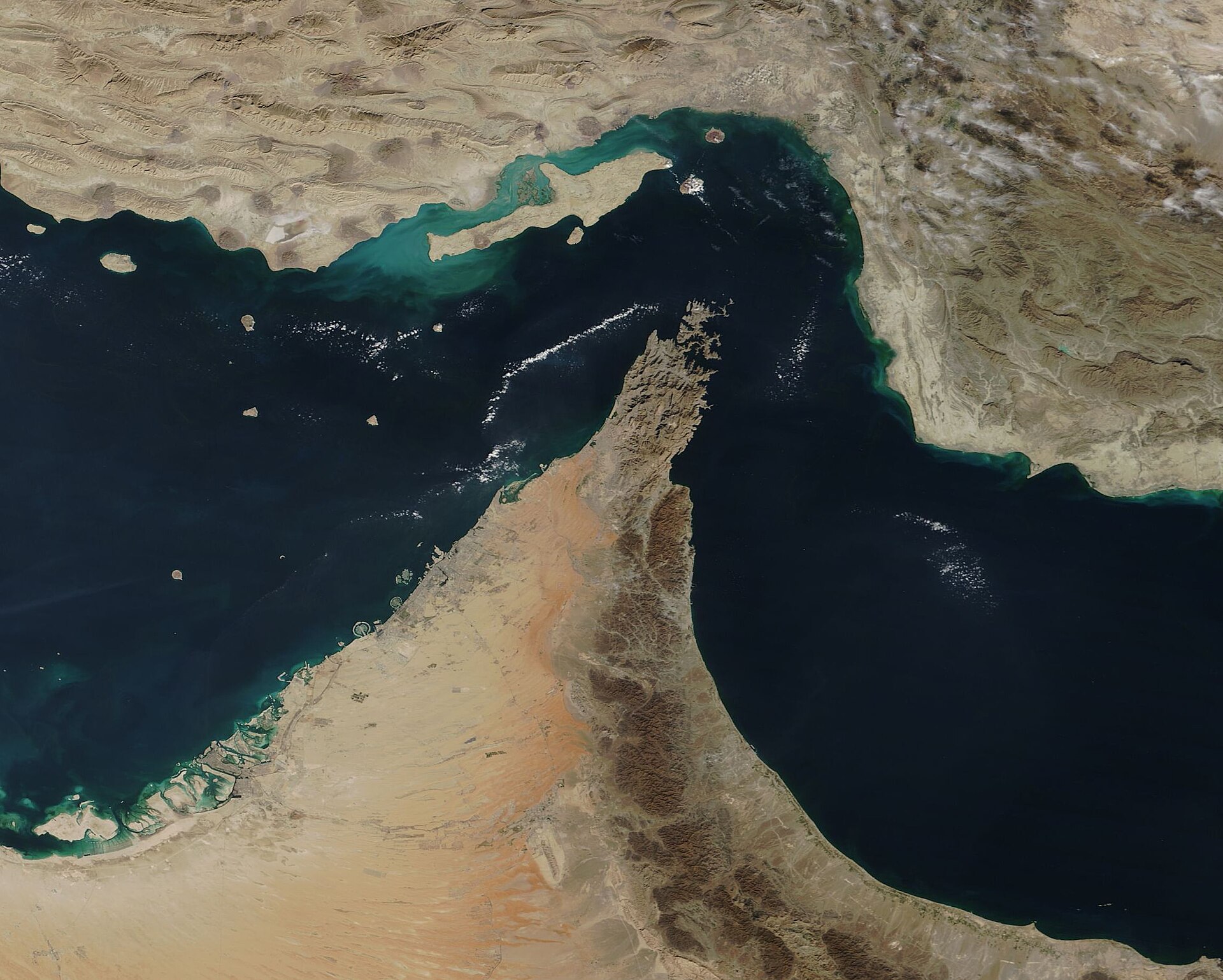
Most of us will never see the Strait of Hormuz. It is a narrow stretch of water between Iran and Oman, far from Calgary and far from Karachi. But this winter, what happens there is showing up on gas bills, at the pump and in kitchens from Alberta to Pakistan.
What the world’s energy watchdog just said
On November 19, the International Energy Agency released its yearly World Energy Outlook. Its verdict was blunt. The disruption in the Gulf, which began after US and Israeli strikes on Iran at the end of February, is the largest energy supply shock in history. Before the war, about 20 million barrels of oil a day moved through the strait. Between March and May, the IEA says, that fell to about 3 million.
The agency puts the losses so far this year at 2.8 billion barrels of oil and 60 billion cubic metres of gas. Diesel hit record prices above US$200 a barrel. The world is on track to spend about US$1.6 trillion on imported oil and gas in 2026, a quarter more than last year. And the IEA says plainly who is carrying that weight: consumers, through high prices.
Gulf states have spent heavily to get around the strait. The IEA counts about 7 million barrels a day of bypass pipelines built or under consideration, at an estimated cost of US$40 billion. Even so, it expects the region to depend on Hormuz for years. Qatar’s gas, in particular, has no practical way around it.
A cold kitchen in Karachi
For many families in our community, this is not an abstract story. Pakistan has relied on Qatar for most of its imported liquefied natural gas. Last winter, 35 of its 36 LNG cargoes came from Qatar. QatarEnergy declared force majeure in March after attacks on its facilities, and Pakistan Today reports it has now been extended to December 29.
Spot cargoes cost far more. Arab News reports spot LNG at about US$33 per million BTU, against roughly US$14 under the Qatar contract. Sui Southern Gas has already limited household supply to meal times, according to its board chairman, Asif Inam. A senior petroleum ministry official told Pakistan Today that gas should be there for cooking, but perhaps not for heating rooms or water.
Think of what that means in a cold Lahore or Quetta night: elderly parents, small children, a geyser that does not come on. Many readers here send money home every month. When fuel gets dearer, that money stretches less far.
Where talks stand, and the case for patience
Talks continue through mediators, especially Qatar, but no deal has been announced. Earlier this month Iran said it could reopen the strait within two days if Washington lifted its naval blockade and sanctions, among other conditions. According to Al Jazeera, US Secretary of State Marco Rubio dismissed some of those demands as unrealistic. A tanker was hit near the strait as recently as November 20.
The strongest argument against rushing a deal deserves a fair hearing. The US and Iran’s Arab neighbours do not want any single country to decide, long term, which ships may pass. One analyst quoted by Al Jazeera put the core US objection simply: Iran wants the rewards of an agreement before it makes concessions. On this view, a quick fix that leaves the strait at the mercy of one government would only reset the clock for the next crisis, and families would pay again.
What ordinary families deserve
That concern is real. But so is the bill. The IEA says even its own forecasts assume the strait is open again by the end of 2027. Every month of delay is paid for by people who had no say in starting this war: the pensioner in Pakistan, the trucker filling diesel, the family watching grocery prices climb.
Here in Canada, the IEA lists us among the producers in the Americas looking to pump more. That may help Alberta’s economy. It should also come with honesty from our governments about who gains from high prices and who loses, and real help for those who lose.
Leaders on all sides talk about security. For most people, security means a warm home and a fair price for fuel. Diplomacy that takes that seriously, and moves faster, is the kindest policy on the table.
Sources: IEA World Energy Outlook 2026; The National; Arab News Pakistan; Al Jazeera. This article is the opinion of the author.
Photo: MODIS Land Rapid Response Team, NASA GSFC, Wikimedia Commons, Public domain

Leave a Reply