When a family gets an unexpected bonus at work, most of us know what we would do with it. Pay down the credit card. Put something aside. Maybe fix the furnace that has been making that noise. What we would not do is spend all of it and keep borrowing at the same pace as before.
That is, in plain terms, what Ottawa has just done.
What is in Budget 2026
Finance Minister François-Philippe Champagne tabled the federal budget on November 5. It sets out about $142 billion in new spending, tax measures and other commitments over the next five years.
The government had more money coming in than it expected in the spring, largely because global oil prices rose. Rather than use that windfall to shrink the deficit, it chose to spend nearly all of it. The deficit for this year is now projected at $62.3 billion, only about $3 billion lower than the spring forecast, and the plan shows yearly deficits still above $50 billion five years from now.
There are real measures for households in it:
- A one-time 50 per cent top-up to the Canada Groceries and Essentials Benefit in early 2027, worth up to $339 for a single person and up to $679 for a couple with two children.
- About $16.5 billion for non-market housing and related supportive infrastructure.
- A simpler tax system, including a single May 15 deadline for individuals to file and pay.
For families stretched by grocery bills and rent, those are not small things, and they deserve credit.
The bill nobody sees
Here is the part that should worry every household. The cost of simply paying interest on the national debt is projected to rise from about $60 billion this year to about $85 billion by 2030-31. Starting this year, Ottawa will spend more on debt interest than it sends to the provinces through the Canada Health Transfer, the main federal payment for health care.
Think about that for a moment. Before a single nurse is hired or a single road is repaired, tens of billions of our tax dollars go to lenders. Every dollar of interest is a dollar that cannot go to doctors, seniors, or lower taxes for working people.
A one-time grocery top-up is welcome. But when it is paid for with borrowed money, our children and grandchildren end up paying for it with interest.
The government’s case
It is fair to hear the other side. The government says this is an investment budget, not a spending spree. It argues that money put into housing, energy, defence and business investment will grow the economy and raise wages over time. It also says it will balance day-to-day operating spending with revenue by 2027-28, a year ahead of its earlier target, and that federal debt measured against the size of the economy remains stable. Supporters add that with trade tensions and an uncertain world, this is not the moment to cut deeply.
Those are serious arguments. Growth really is the best way out of debt. But growth is a hope, and interest payments are a certainty.
What Canadians should ask for
Ordinary families have spent the last few years tightening their belts. Many have cut back on eating out, delayed big purchases and rebuilt their budgets line by line. It is reasonable to ask the government to show the same discipline: when a windfall arrives, use a real share of it to reduce borrowing, and publish clear results for the big programs it funds, so taxpayers can see what they are getting.
A budget is more than numbers. It is a promise about what kind of country we leave behind. Canadians are not asking Ottawa to stop helping people. They are asking it to help in a way that does not hand the bill to the next generation.
Sources: The Globe and Mail; Scotiabank Economics; RBC Wealth Management; The Hub. This article is the opinion of the author.
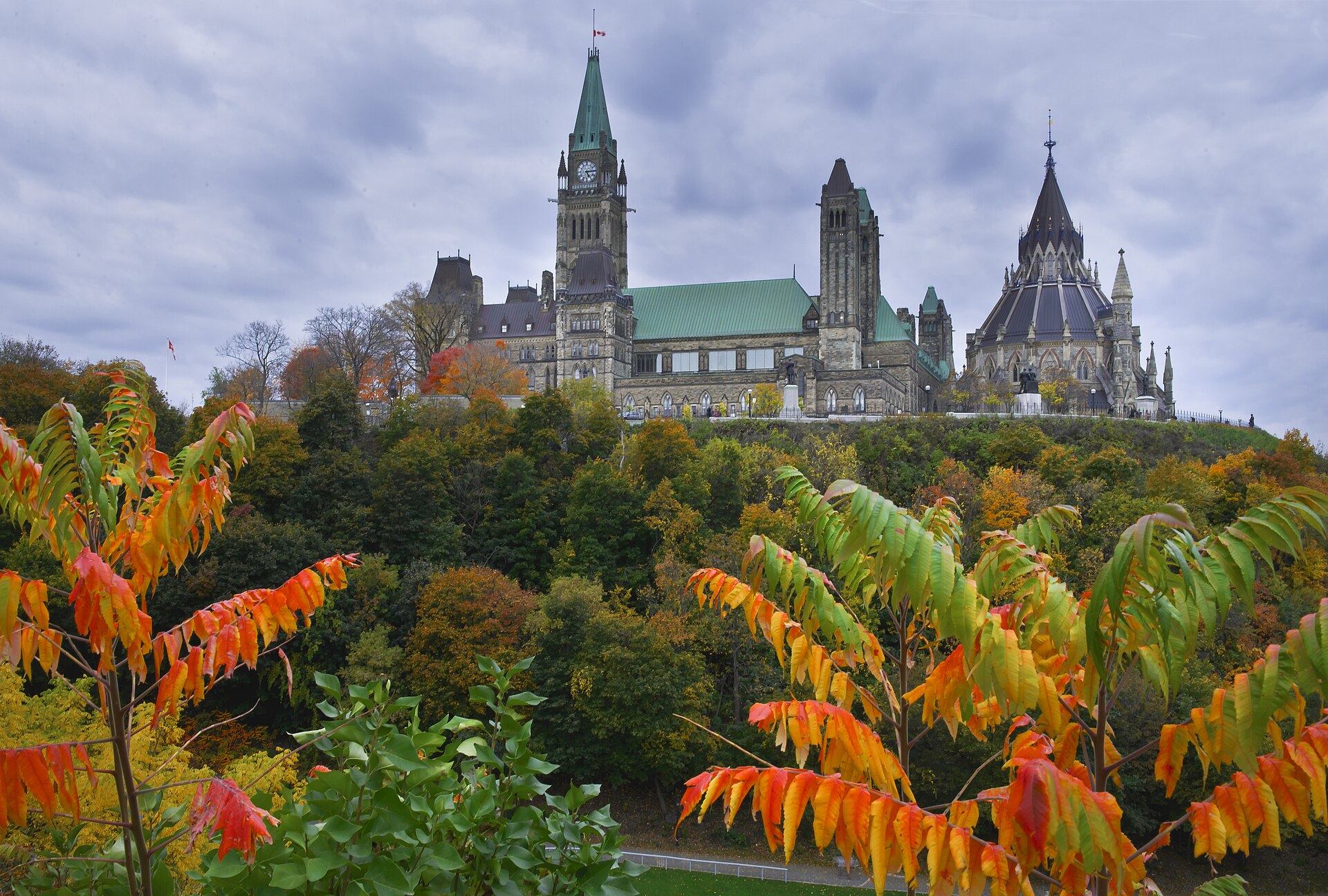
Photo: Louie Luo, Wikimedia Commons, CC BY-SA 4.0.
